
Prior Lake, MN Electrical Panel & Service Upgrades — When to Install
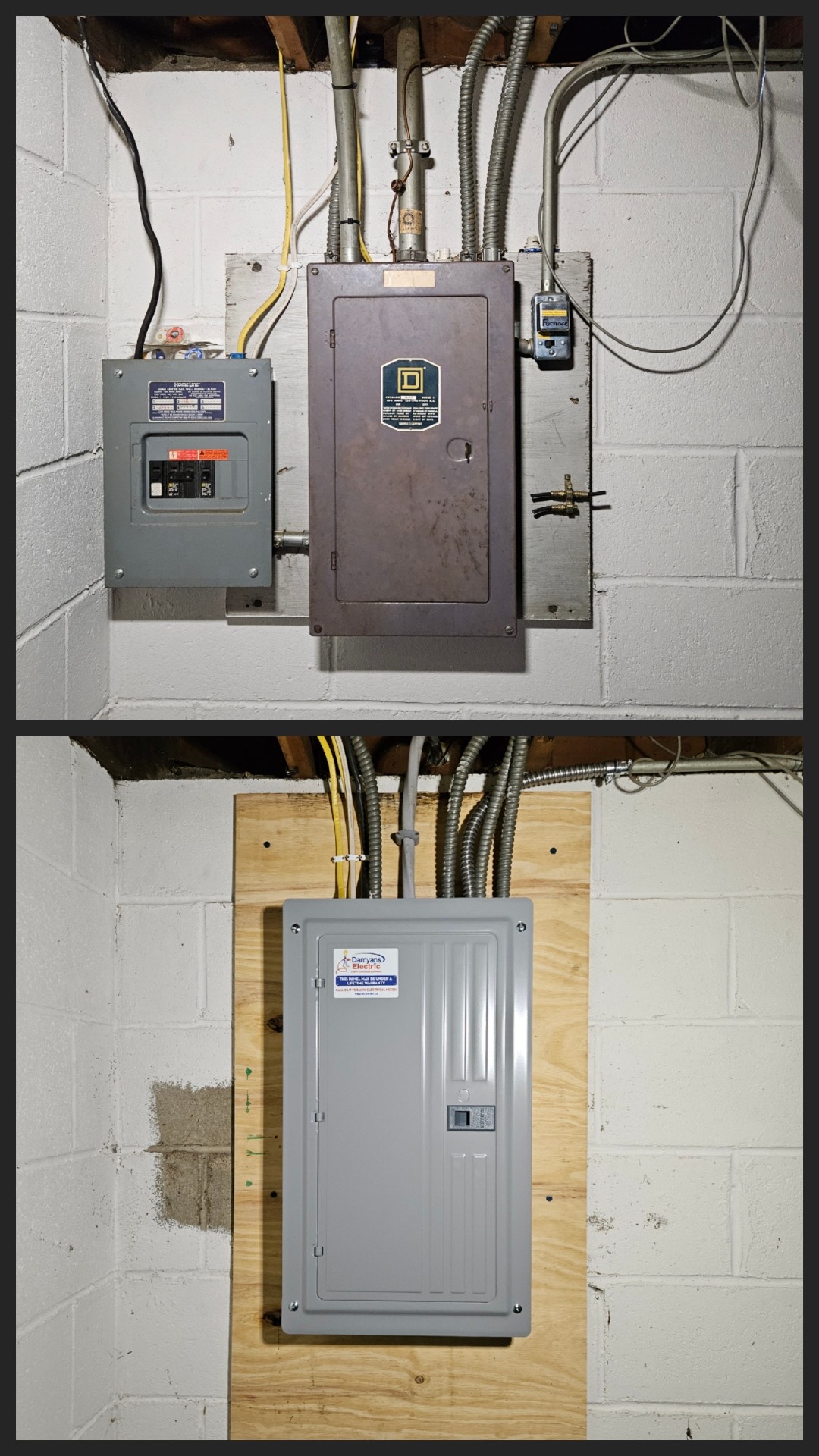
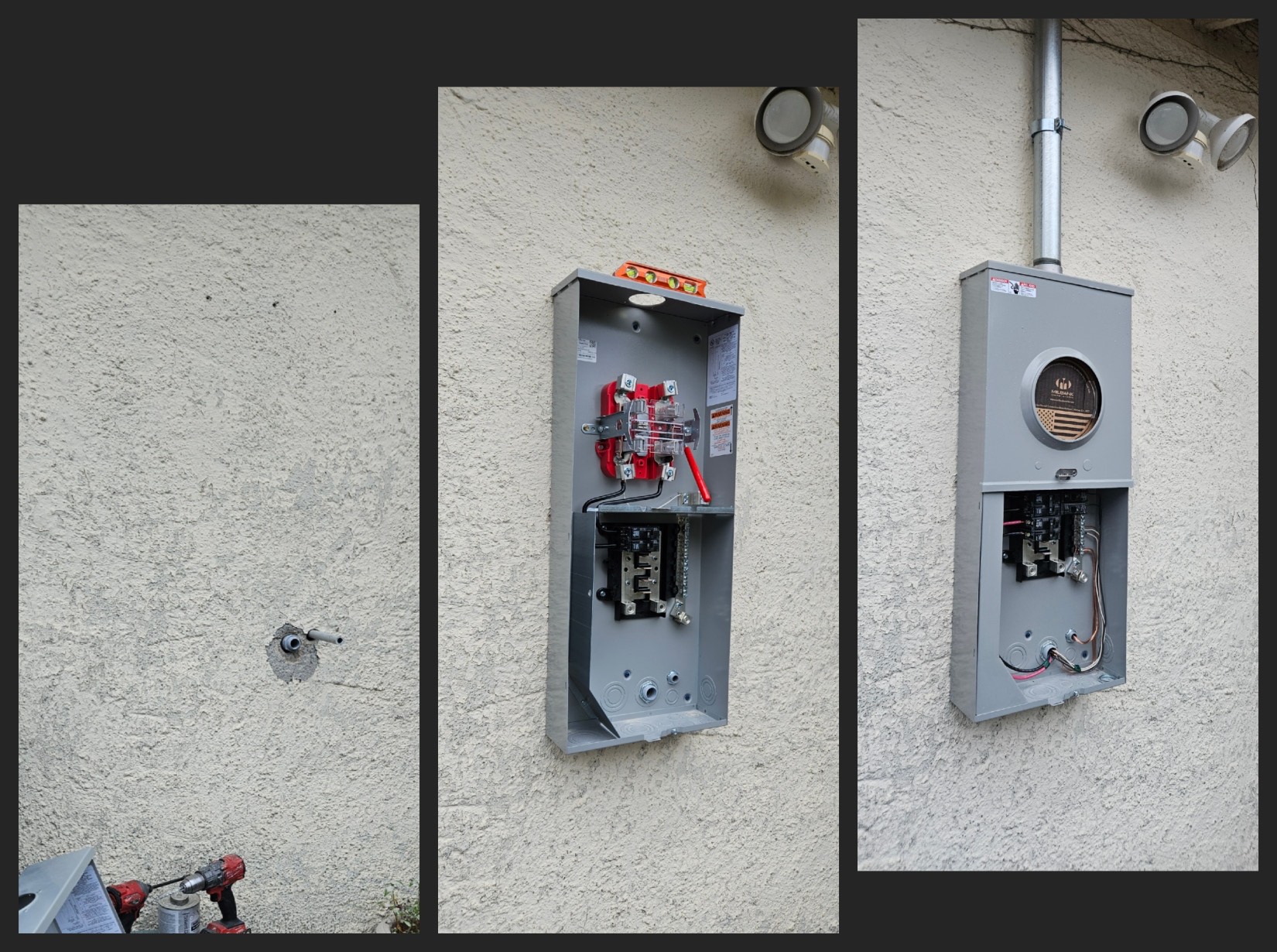
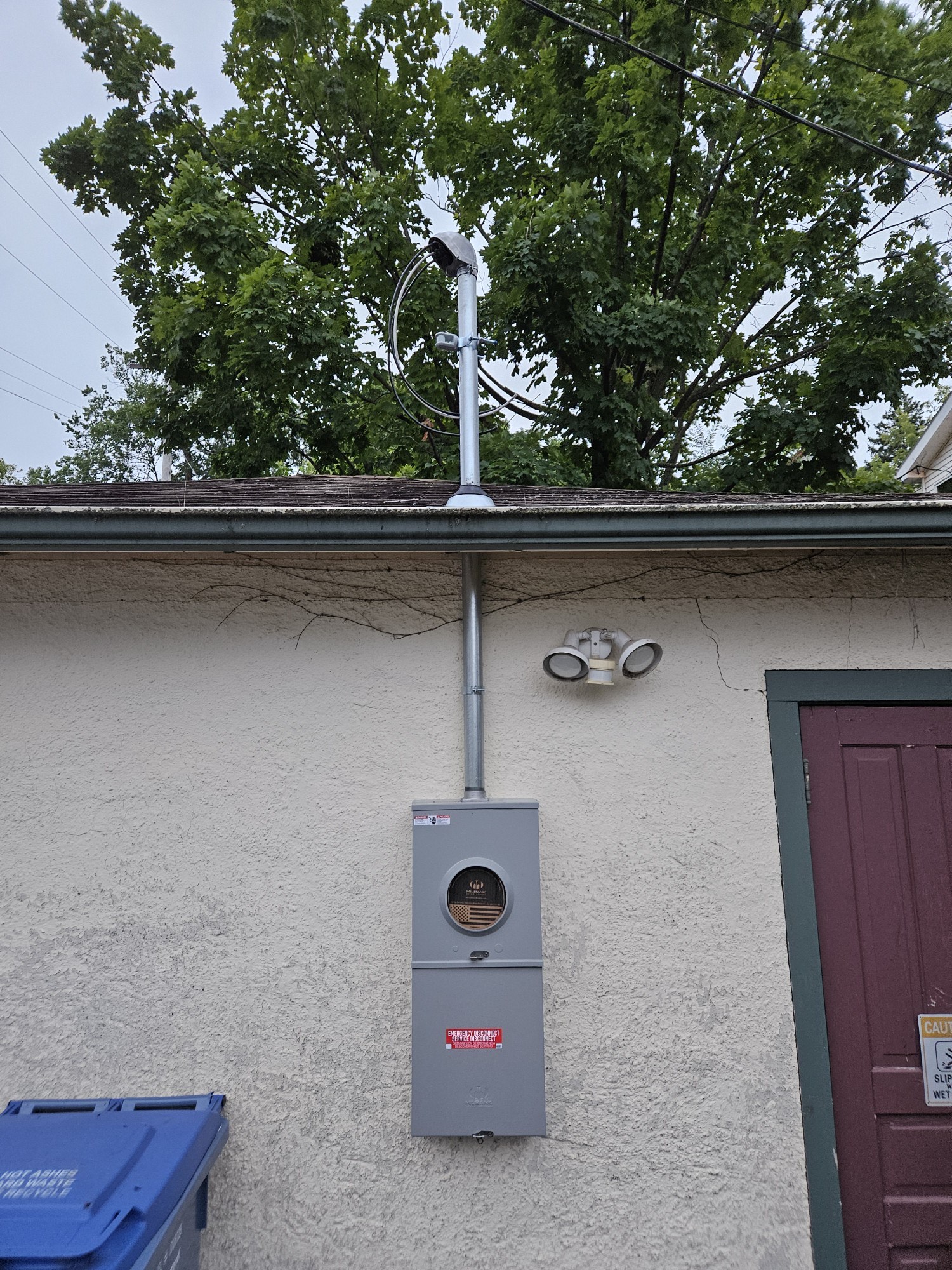
Sub panel installation is a smart solution when your main electrical panel is full, overloaded, or far from new circuits. If you are adding an EV charger, finishing a basement, or powering a detached garage, a properly sized sub panel keeps your system safe and organized. This guide explains when a sub panel makes sense, what the code requires, typical costs, and how our Twin Cities team installs and labels everything for long-term reliability.
What Is a Sub Electrical Panel?
A sub panel is a smaller service panel fed from your main panel by a dedicated feeder breaker and properly sized conductors. It distributes power to a group of branch circuits in a specific area, like a basement, addition, or garage. Think of it as a satellite panel that improves circuit organization and reduces long wire runs without replacing your main service.
Key features of a safe sub panel:
- Dedicated feeder breaker in the main panel sized to match the sub panel rating.
- Correct wire gauge for the ampacity and distance.
- Isolated neutral and ground bars in the sub panel.
- Proper grounding and bonding methods per current code.
- Clear circuit labeling and an accessible, dry location.
When a Sub Panel Makes Sense
You should consider a sub panel when these conditions apply:
- Your main panel is full. Tandem breakers are not a cure-all and can violate listing limits. A sub panel adds space for future circuits.
- You are remodeling or finishing a level. Running a home run for every new circuit back to the main can create clutter and voltage drop.
- You are adding high-demand loads. EV chargers, mini-splits, hot tubs, saunas, and workshop tools benefit from a local sub panel.
- You have a detached structure. Garages, ADUs, and sheds often need a dedicated feeder and grounding system.
- You want better circuit management. Grouping related circuits simplifies troubleshooting and reduces nuisance trips.
In many Twin Cities homes with 100- or 150-amp service, a 60–100 amp sub panel is a practical, code-compliant way to expand without a full service upgrade.
Signs Your Home Is Ready for a Sub Panel
Watch for these symptoms before you add new loads or start a project:
- Breaker spaces are all used, or the panel has unapproved tandem breakers.
- Circuits frequently trip when multiple appliances run.
- Long wire runs cross the house to reach a new area.
- You plan to install an EV charger or hot tub within 3–6 months.
- You are creating a rental suite or workshop with several dedicated circuits.
If you are unsure, schedule an electrical safety inspection. Our electricians perform load calculations and check panel capacity, grounding, and available spaces.
Sub Panel vs. Service Upgrade
Not every home needs a full main service upgrade to 200 amps. A sub panel can be the right fit when:
- The existing main service has adequate total capacity but lacks breaker spaces.
- Your new loads are localized to one area.
- Voltage drop is a concern for a distant addition or garage.
Consider a service upgrade when:
- The main panel is obsolete, unsafe, or water damaged.
- Your calculated load or future plans exceed the main service rating.
- You want room for large future additions like a sauna, EV, and electric range all at once.
Our team can price both options and explain tradeoffs so you can pick the best path.
Code and Safety Essentials in Minnesota
Sub panels must follow National Electrical Code and local amendments. In our Twin Cities work, the most common safety points are:
- Neutrals and grounds must be isolated in the sub panel. Bonding screw is removed.
- A four-wire feeder is required. Two hots, one neutral, one equipment grounding conductor.
- Correct feeder sizing and breaker rating. For example, a 60-amp sub panel typically uses a 60-amp breaker with appropriately sized copper or aluminum conductors, adjusted for distance and conditions.
- Dedicated grounding electrode system for detached buildings when required by code.
- GFCI and AFCI protection where the code requires it for people and fire safety.
Permits and inspections are part of a safe, legal job. In Minneapolis, permits and final inspections are routine, and labeling quality can speed approval.
Sizing Your Sub Panel the Right Way
Right sizing prevents nuisance trips and future headaches:
- Estimate the load. Add anticipated amperage for EV charging, HVAC, shop tools, lighting, and receptacles, then apply demand factors.
- Choose the panel rating. Most homes select 60–100 amps for additions or garages. Workshops or future ADUs may justify 100 amps.
- Match the feeder. Voltage drop and distance matter. Longer runs require larger conductors.
- Plan for growth. Leave at least 20 percent headroom for future circuits.
We complete a formal load calculation and provide a written plan with materials and breaker schedules.
Popular Twin Cities Use Cases
- Basement finish in Minneapolis or Saint Paul, where new lighting, a bath fan, and outlets can total 6–10 circuits.
- EV charger additions in Edina or Minnetonka benefit from a nearby sub panel and a dedicated 240-volt circuit.
- Detached garages in Plymouth or Maple Grove often get a 60–100 amp sub panel for heat, tools, and lighting.
- Kitchen remodels in Eden Prairie or Burnsville create several appliance circuits that are cleaner to manage with a local sub panel.
Smart Integrations That Add Value
- Whole-house surge protection installed at the main panel protects the sub panel and connected circuits.
- AFCI and GFCI protection improves safety in living areas, kitchens, baths, garages, and outdoors.
- Dedicated circuits for EV chargers, freezers, or workshop tools reduce tripping and wear.
- Clear labeling and a circuit directory help everyone in the home.
Cost Overview and What Drives Price
Every home is different, but here is useful guidance to set expectations:
- Typical service call fee: $89–$129.
- Average hourly rate: $125–$150 per hour.
- Equipment: quality 6–20 space sub panels, main-lug kits, breakers, conductors, and grounding parts vary by brand and amperage.
- Installation factors: distance from main to sub panel, finished walls, attic or crawl access, detached structures, and required trenching can raise labor and materials.
- Permits and inspections: required in the Twin Cities and included in our estimates.
We provide straightforward pricing before work begins so you know the total investment and timeline.
Timeline: How Long Sub Panel Work Takes
Most in-home sub panel projects finish in one day when the path is clear and the feeder run is short. Detached buildings may take two days, especially if trenching or weather delays occur. We coordinate with local inspectors to keep your project moving. Same-day appointments are often available for consultations and quotes.
DIY vs. Hiring a Licensed Electrician
Panel work affects the safety of your entire home. Common DIY mistakes include bonding the neutral and ground together in a sub panel, undersizing the feeder, skipping a four-wire feed, and poor terminations. These errors can cause shock, fire risk, or failed inspections. A licensed electrician will size the feeder, isolate neutrals, set the grounding correctly, label circuits, and pull permits. The peace of mind is worth it.
Where to Put the Sub Panel
Good locations are dry, accessible, and allow clear working space. Avoid closets with clothes, tight utility rooms without clearance, or spaces that flood. In garages, mount the panel away from vehicle impact areas. Keep the top breaker handle within allowed height and maintain proper working clearance so inspections pass the first time.
Maintenance and Inspections
We recommend an annual panel inspection to confirm torque on lugs, check for heat discoloration, and test GFCI and AFCI devices. This short visit can catch loose terminations or moisture issues that lead to failures. If you notice buzzing, burning odors, or warm covers, call for service right away and avoid opening the panel yourself.
Our Proven Process for Sub Panel Installation
- Consultation and load calculation. We confirm capacity in your main panel and the best sub panel size.
- Transparent estimate. You receive a detailed scope with materials, labor, and permit fees.
- Permit and scheduling. We handle paperwork and coordinate with your city.
- Installation. We mount the sub panel, run the feeder, separate neutrals and grounds, and add AFCI/GFCI where required.
- Labeling and testing. Every circuit is labeled and tested under load.
- Final inspection and cleanup. We walk you through the work so you know how to reset breakers and when to call for help.
Common Myths About Sub Panels
- Myth: A sub panel increases total service amperage. Reality: It adds spaces and better distribution, not total utility capacity.
- Myth: Tandem breakers are always fine. Reality: Panels have strict limits on tandems. Overuse can be unsafe and noncompliant.
- Myth: Grounds and neutrals can share a bar in any panel. Reality: They must be isolated in a sub panel for safety.
Preparing for Your Project
- List current and future loads, including EV, tools, and appliances.
- Decide on locations for outlets and equipment in the area served by the sub panel.
- Clear a safe work area and confirm someone 18+ is home on installation day.
- Ask about surge protection and dedicated circuits while we are on site.
Why Twin Cities Homeowners Choose Us
- Licensed, bonded, insured, and current on Minnesota code.
- Same-day appointments and 24/7 emergency service.
- Financing options through GreenSky for larger upgrades.
- Straightforward pricing with no hidden fees.
- Comprehensive electrical safety inspections to protect your home.
When you are unsure whether to install a sub panel or upgrade your main service, we will show both options with clear pricing so you can decide with confidence.
Special Offers on Panels and Service Upgrades
- Special Offer: Panel replacement, up to 200 amps, including labor and materials. $800–$4,800. Offer valid through 2026-10-07.
- Special Offer: Main service replacement from utility to panel. $2,200–$5,500. Offer valid through 2026-10-07.
Ask about GreenSky financing to spread project costs over fixed monthly payments. Mention this blog when you call for priority scheduling.
What Homeowners Are Saying
"The electrical inspector for St. Louis Park was here this morning to inspect our new electrical mast outside and circuit breaker panel in the basement. He told me that everything looks great and is all up to code now. We had some significant issues with water in our electrical panel, but Damyans took care of it for us. They were just super great to work with, so nice, prompt, and reliable. I am very relieved and pleased that we were able to get that major problem taken care of. Thanks so much for the great work!"
–Cindi T., St. Louis Park
"We ended up having to replace our electrical panel and Taven thoroughly talked us our options and told us what he thought would be best for our lifestyle, but never pressured us to take any option. Both days that Taven and his co-worker came out went very smoothly, everything was installed nicely, and they cleaned everything up nicely. I'm BEYOND happy with the work they did, and have already recommended them to multiple people!"
–Aubre S., Panel Replacement
"Matt recently completed a major upgrade for us, moving our home to a 200-amp, 40-circuit panel definitely not a small job. Everything was done carefully, neatly, and up to current code. The panel is well-organized, clearly labeled, and built with room for future needs... If you want an electrician who does high-quality work and actually communicates, Matt is your guy."
–Nathan L., Service Upgrade
"Johny did a fantastic job with the work on our kitchen and panel upgrade. Everything went smooth and was very professional. I would recommend them to family and friends and will have them back out as we upgrade other things down the road!"
–Justin P., Panel Upgrade
Frequently Asked Questions
How big should my sub panel be?
Most homes use 60–100 amps for a basement, garage, or addition. The correct size depends on a load calculation that considers present and future circuits.
Do I need a permit for a sub panel in the Twin Cities?
Yes. Permits and inspections are required. We handle the paperwork and coordinate inspections so your project passes and remains compliant.
Can I put neutrals and grounds on the same bar in a sub panel?
No. In a sub panel the neutral and ground must be isolated. The bonding screw is removed and a separate ground bar is installed.
Will a sub panel increase my home’s total amperage?
No. A sub panel adds breaker spaces and cleaner distribution but does not raise the main service capacity. A service upgrade is needed to increase total amps.
How long does installation take?
Most in-home sub panels are completed in one day. Detached buildings or long feeder runs may take two days, especially if trenching is required.
Conclusion
A well planned sub panel installation keeps your home safe, organized, and ready for future upgrades. If you are in Minneapolis, Saint Paul, Edina, Minnetonka, or nearby, we will size the sub panel, pull permits, and label every circuit.
Call or Schedule Now
Call Damyans Electric Inc. at (952) 500-8732 or visit https://damyanselectric.com/ to book your estimate. Ask about our panel replacement offer starting at $800–$4,800, valid through 2026-10-07. Same-day appointments available in many areas.
Ready to Add Circuit Space the Right Way?
- Call now: (952) 500-8732
- Schedule online: https://damyanselectric.com/
- Mention this blog for priority booking and ask about financing for panel and service upgrades.
About Damyans Electric Inc.
Licensed, bonded, and insured electricians serving the Twin Cities. Contractor License #: EA006333. We offer straightforward pricing, same-day appointments, and 24/7 emergency service. Typical service call: $89–$129. Average hourly: $125–$150. Financing through GreenSky is available. Our team follows Minnesota code, pulls permits, and coordinates inspections to keep your project safe, compliant, and on schedule.
Sources8
Source links open in a new tab.
- Happy comment by Cindi Thompsongoogle.com (opens in a new tab)
- Happy comment by Geoffrey Serdargoogle.com (opens in a new tab)
- Happy comment by Aubre Suttlegoogle.com (opens in a new tab)
- Happy comment by Rrandy Marciniakgoogle.com (opens in a new tab)
- Electrician Minneapolis MN – Damyans Electric Inc.damyanselectric.com (opens in a new tab)
- Electrical Services Hopkins MN – Damyans Electric Inc.damyanselectric.com (opens in a new tab)
- Electrician Plymouth MN – Damyans Electric Inc.damyanselectric.com (opens in a new tab)
- Electrician St Louis Park MN – Damyans Electric Inc.damyanselectric.com (opens in a new tab)