
Lakeville, MN Electrical Panel & Service Upgrade Costs
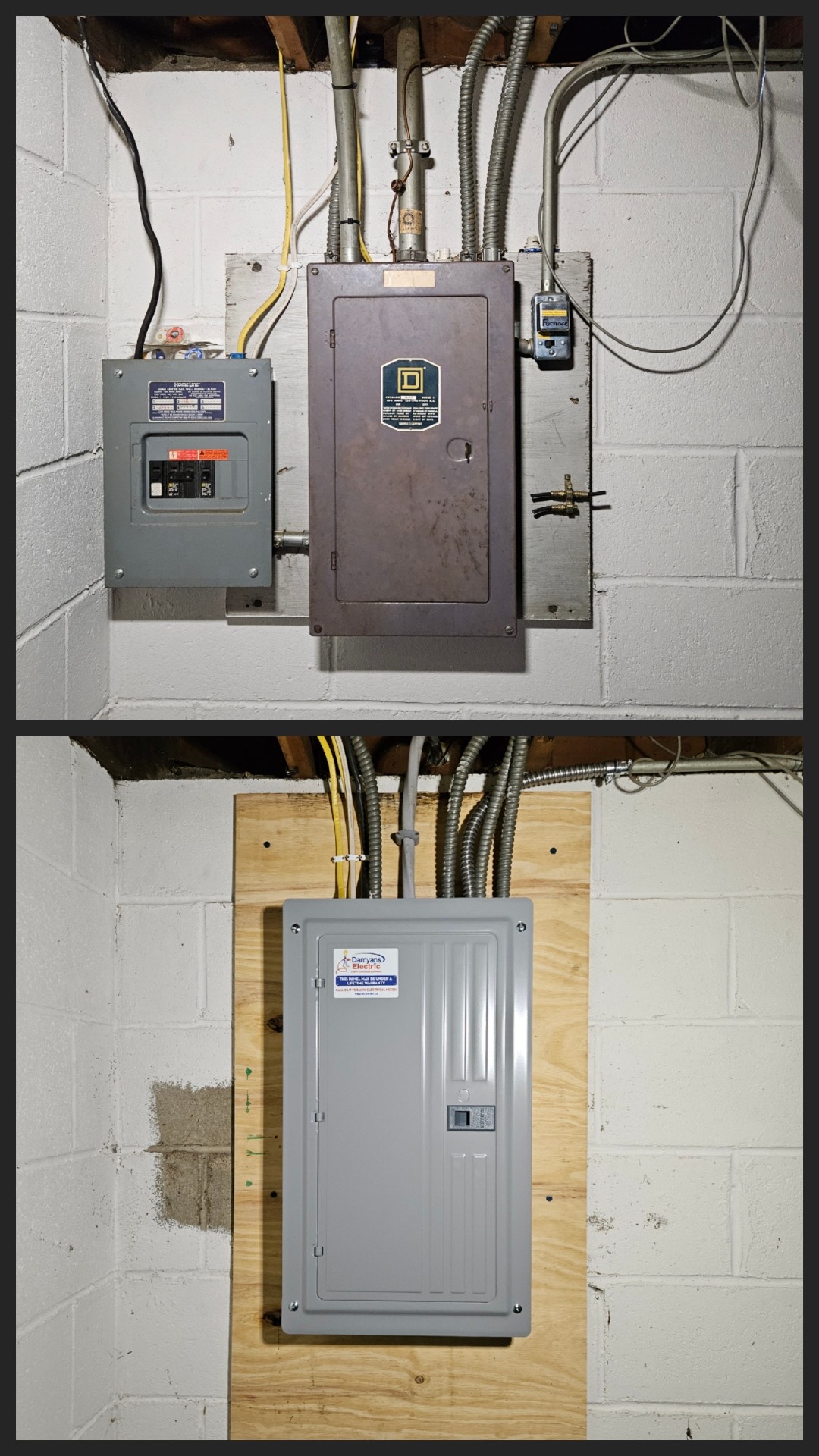
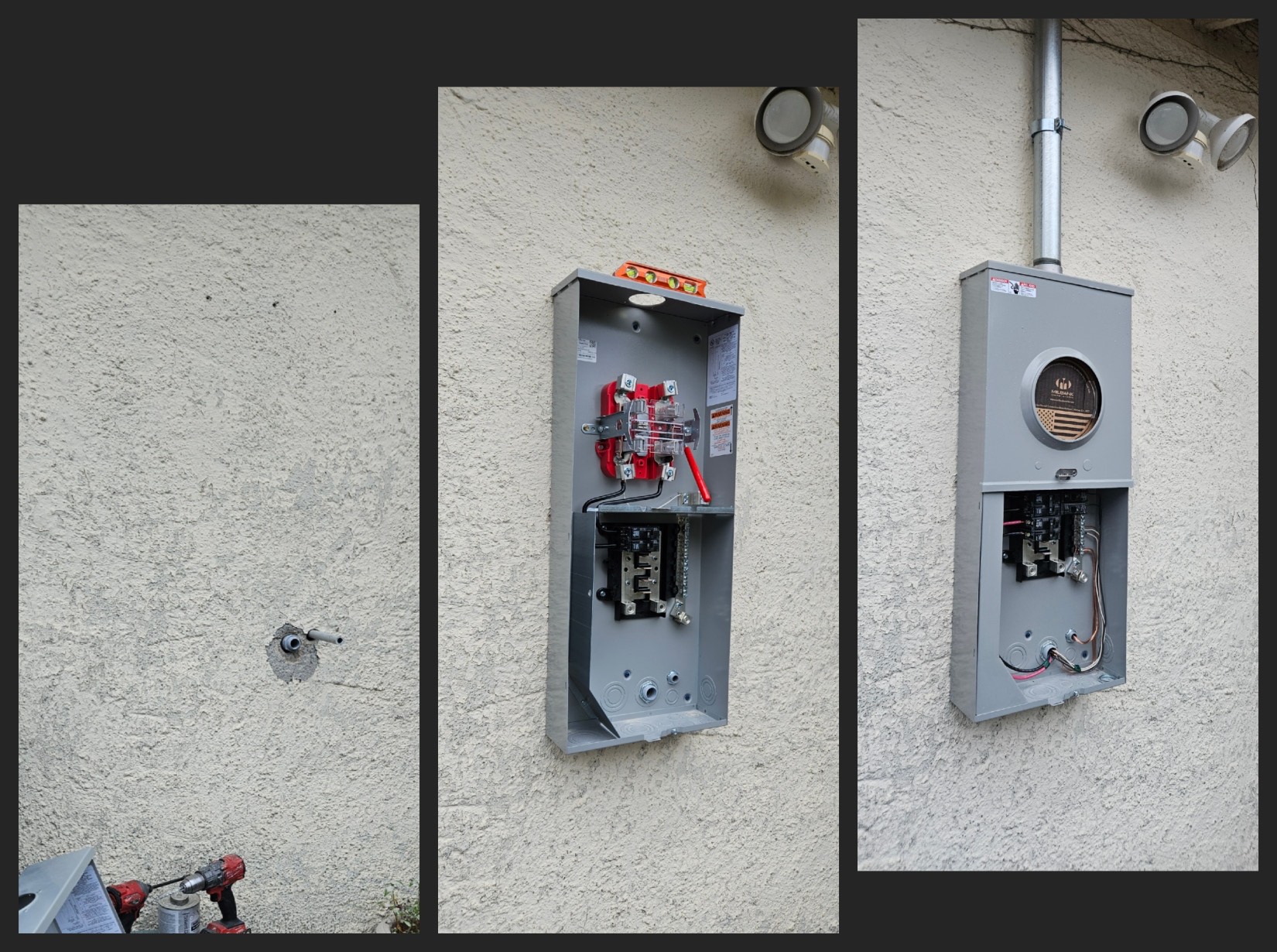
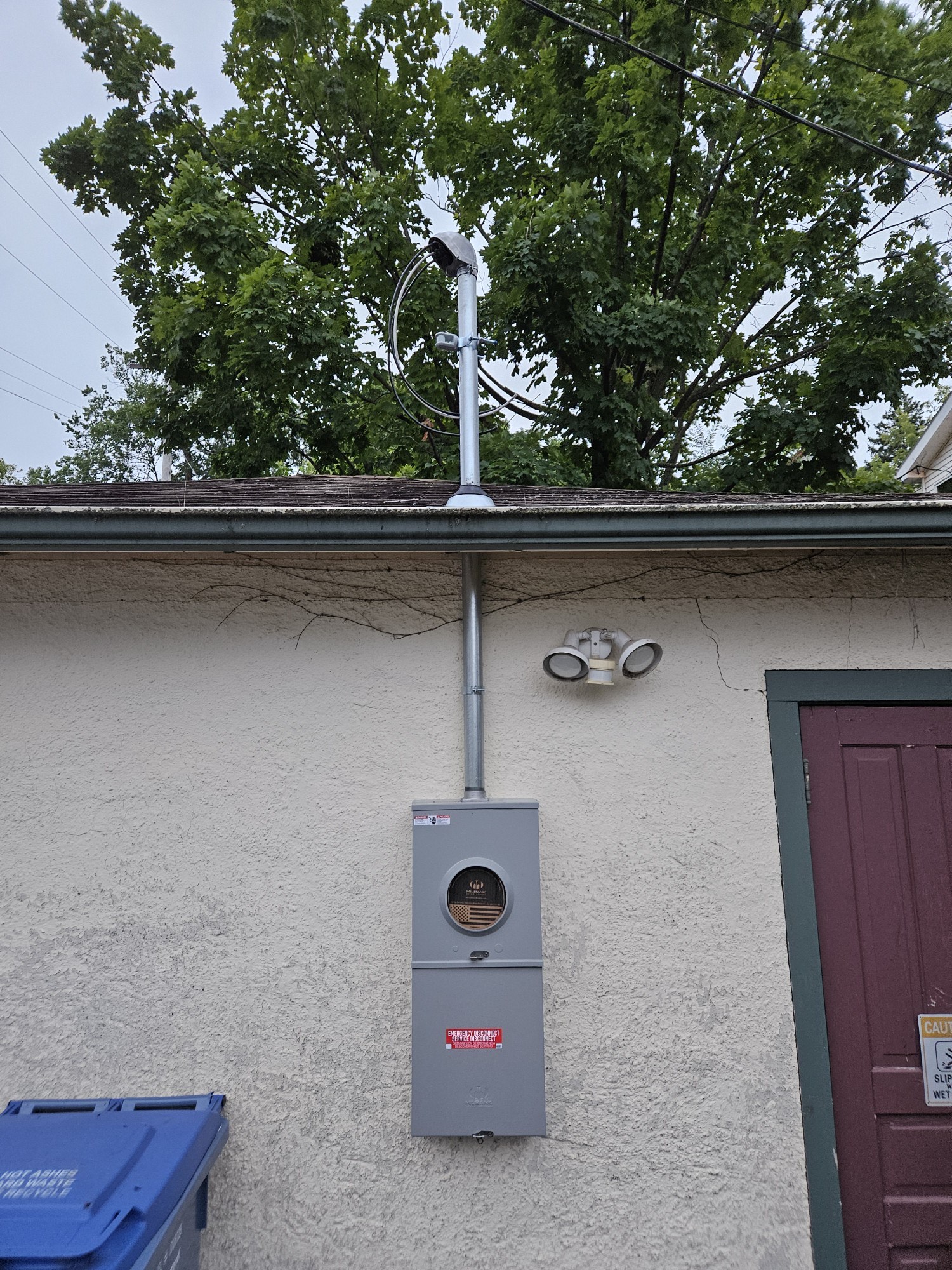
Breaker box repair cost can be confusing, especially when lights are flickering or breakers keep tripping. If you live in Minneapolis, Saint Paul, or the suburbs, this guide explains real price ranges, what affects your total, and when repair is the right call versus a full panel upgrade. We also cover permits, utility coordination, and how to save with financing and current offers.
What Counts as Breaker Box Repair vs. Replacement
Your breaker box is the heart of your home’s electrical system. Repairs address specific faults inside the existing panel. Replacement swaps the entire panel and often the service equipment. Knowing the difference helps you forecast price and timeline.
Repair usually includes:
- Replacing faulty breakers that won’t reset or nuisance-trip.
- Tightening or replacing loose lugs, neutrals, or grounds.
- Repairing or replacing a damaged bus bar section.
- Replacing a failing main breaker.
- Correcting double-tapped breakers and mislabeled circuits.
- Adding a whole-house surge protector at the panel.
Replacement usually includes:
- A new 100–200 amp panel with labeled circuits and new main breaker.
- Grounding and bonding upgrades to current code.
- Service mast or meter socket corrections if required by the utility.
- Permit, utility coordination, and inspection.
In the Twin Cities, many homes still run on older 60–100 amp systems. If your lifestyle includes EV charging, hot tubs, or finished basements, a 200 amp upgrade often makes long-term sense.
Typical Cost Ranges in the Twin Cities
Every job is unique, but these are realistic ballparks we see on completed projects in Minneapolis–Saint Paul. Your price will depend on access, parts, amperage, and code corrections.
Minor panel repairs:
- Standard breaker replacement: 150–400 dollars for one to three breakers, depending on brand and trip type.
- AFCI or GFCI breaker replacement: 200–450 dollars each. These breakers cost more but are often required in living areas and bathrooms or kitchens.
- Correcting double taps or loose terminations: 150–350 dollars when no parts are damaged.
Moderate repairs:
- Main breaker replacement: 350–900 dollars depending on panel brand and amperage.
- Bus bar repair or section replacement: 300–900 dollars when feasible.
- Whole-home surge protector installed at the panel: 350–750 dollars including device and labor.
Larger scope or emergent issues:
- Partial panel rebuild with multiple breakers and labeling: 600–1,500 dollars.
- Water intrusion mitigation at panel with limited component replacement: 600–1,800 dollars depending on extent.
Panel replacement and service upgrades:
- Panel replacement only, same location, typical 100–200 amp: 1,500–4,800 dollars depending on brand, spaces, and required corrections.
- Full service replacement from meter to panel with mast or meter socket updates: 2,200–5,500 dollars.
Permits and inspections:
- City permit and inspection in Minneapolis, Saint Paul, and suburbs: typically 50–400 dollars depending on scope.
- Utility coordination is required when meters are pulled or service conductors are changed.
Emergency or after-hours service can add 25–100 percent to labor due to overtime, safety risk, and utility scheduling.
What Drives The Price Up or Down
Understanding cost drivers helps you plan and avoid surprises.
- Amperage and panel size
- 200 amp panels with 40 spaces cost more than 100 amp models with 20 spaces.
- Larger mains and thicker feeders increase material cost.
- Brand and part availability
- Some panels have proprietary breakers that are pricier or backordered.
- Matching older equipment can be difficult, pushing toward replacement.
- Code updates and safety corrections
- Grounding and bonding upgrades are often needed during any major panel work.
- Arc-fault and ground-fault protection may be required in certain areas.
- Damage severity
- Heat damage or corrosion on the bus can require extensive repair or panel changeout.
- Access and conditions
- Tight basements, finished drywall, or relocation needs add time and labor.
- Utility coordination
- Service upgrades may require mast, meter socket, and weatherhead changes to meet current standards.
- Added scope
- Dedicated circuits for EV chargers, hot tubs, or basement remodels add breakers and wire.
Repair vs. Replace: A Practical Decision Guide
Use this quick framework to choose the safest and most cost-effective path.
Repair makes sense when:
- A single breaker is failing or tripping for a known cause.
- There are minor code issues like double taps without bus damage.
- The panel is modern, parts are available, and there is no heat or moisture damage.
Replace the panel when:
- You see scorch marks, buzzing, or the front feels warm.
- The bus is pitted or corroded, or there was water in the panel.
- The panel is obsolete or has known safety concerns.
- You are adding high-load appliances and consistently outgrowing capacity.
- Multiple AFCI or GFCI upgrades would bring you near a replacement price anyway.
Tip: If your panel is near end-of-life and you plan to finish a basement or add an EV charger, rolling the work into one visit can save on labor and permits.
Local Requirements and Hard Facts You Should Know
Safety and compliance are non-negotiable. Here are two key code facts and a local insight that affect price and scope:
- Surge protection at service equipment
- The National Electrical Code requires a surge protective device for dwelling units when service equipment is installed or replaced. Many Twin Cities projects now include a whole-house surge protector.
- Arc-fault and ground-fault protection
- Most habitable rooms require AFCI protection and kitchens and bathrooms require GFCI. If you are replacing multiple breakers, the upgrade cost can add up.
- Local permitting and inspections
- Minneapolis and Saint Paul require electrical permits and inspections for panel and service work. Scheduling with the city and utility can impact timelines.
These steps protect your family and your investment and they help keep home insurance in good standing.
The Site Visit and Estimate: What To Expect
A solid estimate starts with diagnostics. Here is our typical process in the Twin Cities:
- Safety check
- We verify there is no immediate shock or fire risk and stabilize the situation.
- Load and capacity review
- We look at existing loads and any planned additions like EV charging or hot tubs.
- Panel health assessment
- We inspect for heat discoloration, rust, moisture, loose lugs, and bus condition.
- Code and grounding review
- We check bonding, ground rods, and water pipe bonding where applicable.
- Clear options
- We present repair vs. replace options with straightforward pricing and photos.
- Permit and utility plan
- If a service upgrade is needed, we outline permit steps and meter pull scheduling.
You will know the scope, price, and timeline before we start. No hidden fees.
Timeline: How Long Does It Take
Homeowners often want to know when the power will be back on.
- Minor repair: 1–3 hours, often same day.
- Main breaker swap or bus repair: 2–5 hours.
- Panel replacement same location: 1 business day in most cases.
- Full service upgrade with mast or meter: 1–2 days plus utility coordination.
Our team handles permits and inspection scheduling so your downtime is minimal.
How To Save Money Without Cutting Corners
There are smart ways to reduce cost while keeping safety first.
- Combine projects
- If you plan an EV charger or basement finish, bundle circuits with panel work to share labor and permit cost.
- Choose the right panel size
- A 40-space, 200 amp panel may save you from adding subpanels later.
- Prevent moisture issues
- Fix gutter or foundation leaks that drip into service equipment to avoid repeat panel damage.
- Use financing strategically
- Spread payments over time and protect your budget while fixing safety issues now.
- Schedule during regular hours
- Avoid after-hours emergency rates when possible.
Signs Your Breaker Box Needs Attention Now
Do not ignore these red flags. Call a licensed electrician immediately.
- Burning smell, scorching, or melted plastic on or near the panel cover.
- Repeated tripping after you have reduced appliance usage.
- Buzzing or crackling sounds from the panel.
- Warm panel front or hot breakers to the touch.
- Rust, water stains, or visible condensation inside the panel.
Insurance, Resale Value, and Safety
A healthy electrical system affects more than comfort.
- Insurance: Carriers expect code-compliant electrical systems. Post-claim inspections may flag outdated panels.
- Resale: Buyers and inspectors look closely at panels. A recent, well-labeled 200 amp panel improves buyer confidence.
- Safety: Proper grounding, AFCI, and GFCI reduce fire and shock risk for your family.
Transparent Pricing, Financing, and Local Expertise
Damyans Electric Inc. provides straightforward pricing and options in writing. You will see a clear scope for repair, parts, labor, permits, and any utility fees. If a panel upgrade is smarter than multiple repairs, we lay out both paths.
We also offer Greensky financing, so you can address urgent safety issues now and spread payments over time. Our licensed, background-checked electricians work across Minneapolis, Plymouth, Lakeville, Maple Grove, Burnsville, Coon Rapids, Eden Prairie, Saint Paul, Minnetonka, and Edina.
Why Homeowners Choose Us for Panel Work
- Safety-first mindset with code updates and clean, labeled installs.
- Master-level expertise with panels, dedicated circuits, surge protection, and EV readiness.
- Clear communication with photos, labeled circuits, and walkthroughs before we leave.
- Local inspectors consistently confirm our work meets current code.
Real-World Examples From Local Homes
Here are project patterns we see weekly in the metro and what they typically cost.
- Nuisance-tripping kitchen breaker
- Replace with a matching GFCI or dual-function breaker and tighten connections. Typical total: 250–450 dollars.
- Water intrusion at panel from exterior mast leak
- Correct mast seal, replace corroded breakers, assess bus, and add surge protection. Typical total: 600–1,800 dollars. If bus is damaged, replacement may be recommended.
- Full 200 amp panel replacement with capacity for future EV charger
- New 40-space panel, labeling, bonding, surge, and permit. Typical total: 2,400–4,800 dollars depending on brand and site conditions.
- Service upgrade with new meter socket and mast in Saint Paul
- Utility coordination, new service conductors where needed, and inspection. Typical total: 3,000–5,500 dollars depending on conditions.
Every home is different. The fastest way to get exact pricing is a brief on-site assessment with photos and a written estimate.
FAQ Snapshot From Local Search Intent
These quick answers reflect common homeowner questions and People Also Ask topics. You will find a larger FAQ below with more detail.
- Can I just replace one breaker to fix tripping? Yes if the cause is a failed breaker, but we will verify there is no overload or wiring fault first.
- Is an older fuse box safe? Many are undersized for modern loads. Converting to breakers improves safety and convenience and supports future projects.
- Do I need a surge protector? A whole-home device protects appliances and electronics. It is now commonly required when service equipment is replaced.
Special Offers for Panel and Service Work
- Panel Replacement — Replace existing panel up to 200 amps, including labor and materials. Typical range: $800–$4,800. Offer valid through 2026-10-07.
- Service Replacement — Replace main service lines and components from utility to panel. Typical range: $2,200–$5,500. Offer valid through 2026-10-07.
Call (952) 500-8732 and mention our Panel or Service Replacement offers before scheduling to lock in current pricing. Financing available with Greensky, subject to approval.
Reviews
What Homeowners Are Saying
"The electrical inspector for St. Louis Park was here this morning to inspect our new electrical mast outside and circuit breaker panel in the basement. He told me that everything looks great and is all up to code now... They were just super great to work with, so nice, prompt, and reliable."
–Cindi T., St. Louis Park
"We ended up having to replace our electrical panel and Taven thoroughly talked us our options... everything was installed nicely, and they cleaned everything up nicely. I'm BEYOND happy with the work they did."
–Aubre S., Panel Replacement
"Matt recently completed a major upgrade for us, moving our home to a 200-amp, 40-circuit panel... Everything was done carefully, neatly, and up to current code. The panel is well-organized, clearly labeled, and built with room for future needs."
–Nathan L., Service Upgrade
Frequently Asked Questions
How much does it cost to repair a breaker box in Minneapolis–Saint Paul?
Minor repairs like replacing a standard breaker often run 150–400 dollars. Main breaker swaps or bus repairs run 350–900 dollars. If the panel is outdated or damaged, full replacement typically ranges from 1,500–4,800 dollars depending on brand and scope.
When should I replace the whole panel instead of repairing it?
Replace when there is heat damage, corrosion, water intrusion, obsolete equipment, or you are adding high-load appliances and outgrowing capacity. If multiple AFCI or GFCI upgrades push repair costs near replacement, a new panel is usually smarter.
Do I need a permit and inspection for panel work?
Yes. Cities like Minneapolis and Saint Paul require electrical permits and inspections for panel repairs that involve service equipment and for all replacements. Our team handles permitting, scheduling, and utility coordination.
How long will my power be off during a panel replacement?
Most panel replacements take one business day with power off for several hours. Full service upgrades can take 1–2 days plus utility coordination. We minimize downtime and keep you updated throughout.
Are surge protectors required during a panel or service upgrade?
A surge protective device is required for dwelling units when service equipment is installed or replaced. We recommend whole-home surge protection to safeguard appliances and electronics.
Conclusion
Breaker box repair cost depends on the fault, parts, access, and required code updates. In the Twin Cities, you can expect minor repairs from 150–400 dollars and full replacements from 1,500–4,800 dollars. For safe, code-compliant results, choose a licensed electrician who explains options clearly.
Call, Schedule, or Chat Now
Ready for a clear estimate on breaker box repair cost in Minneapolis–Saint Paul? Call (952) 500-8732, visit https://damyanselectric.com/, or schedule online. Mention our Panel or Service Replacement offers valid through 2026-10-07. Financing is available with Greensky.
Call (952) 500-8732 or book at https://damyanselectric.com/ for fast, code-compliant panel repairs or upgrades. Mention our current Panel or Service Replacement offers before 2026-10-07 to secure promotional pricing.
About Damyans Electric Inc.
Licensed, bonded, and insured electricians serving the Twin Cities. Contractor License #: EA006333. We specialize in panels, service upgrades, EV charging, and surge protection with code-compliant workmanship. Upfront, transparent pricing, same-day options, and Greensky financing available. Proudly serving Minneapolis, Saint Paul, and nearby suburbs with clean, careful installs and clear communication.
Sources9
Source links open in a new tab.
- Panel Replacement — Replace existing panel (up to 200 amps) including labor and materials. $800–$4,800damyanselectric.com (opens in a new tab)
- Happy comment by Cindi Thompsongoogle.com (opens in a new tab)
- Happy comment by Geoffrey Serdargoogle.com (opens in a new tab)
- Happy comment by Aubre Suttlegoogle.com (opens in a new tab)
- Happy comment by Rrandy Marciniakgoogle.com (opens in a new tab)
- Electrician Minnetonka MN – Damyans Electric Inc.damyanselectric.com (opens in a new tab)
- Electrician Hopkins MN | Damyans Electric Inc.damyanselectric.com (opens in a new tab)
- Electrician Plymouth MN – Damyans Electric Inc.damyanselectric.com (opens in a new tab)
- Electrician Minneapolis MN – Damyans Electric Inc.damyanselectric.com (opens in a new tab)