
Golden Valley MN Electrical Panel Upgrades — No Full Rewire?
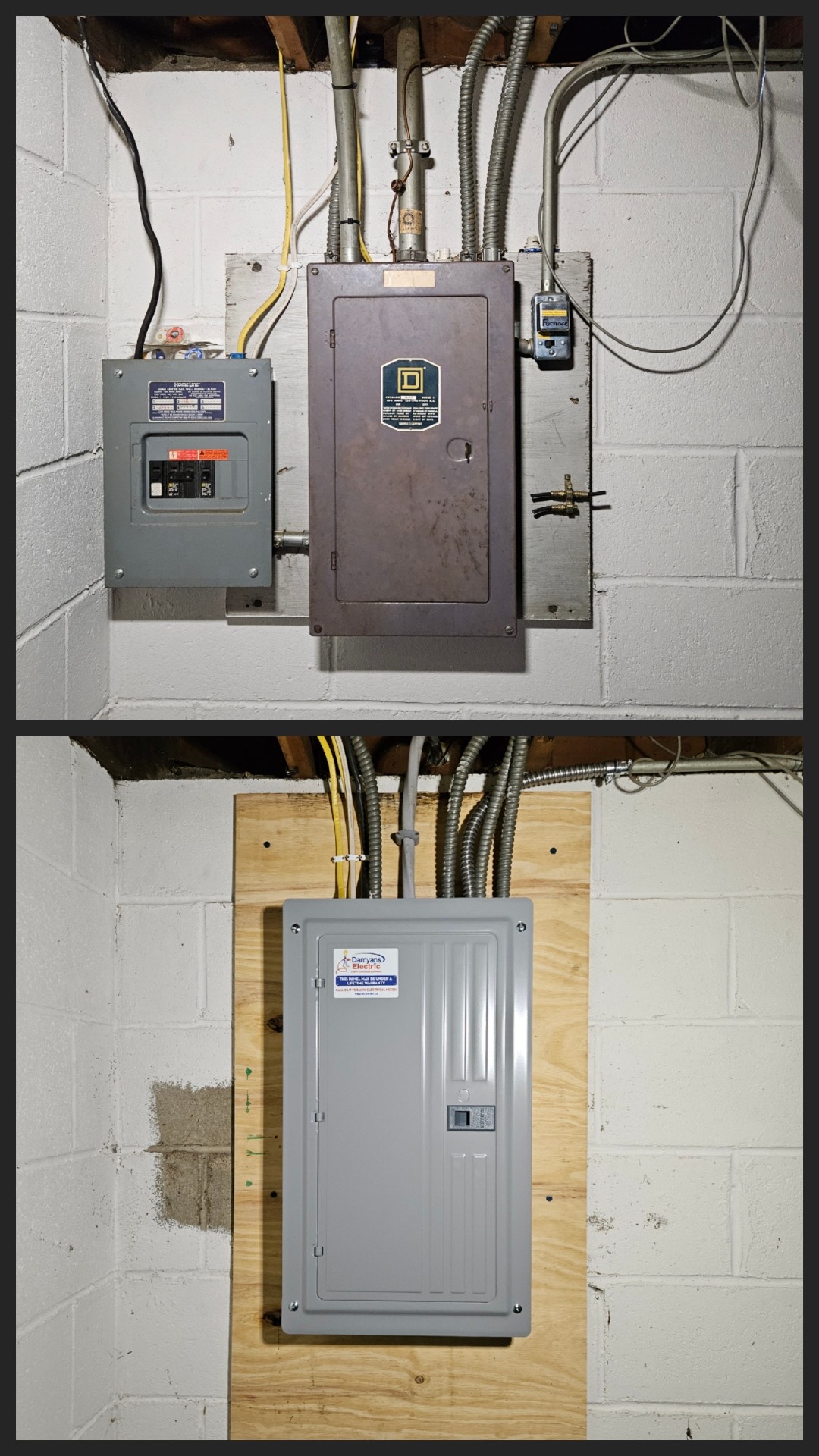
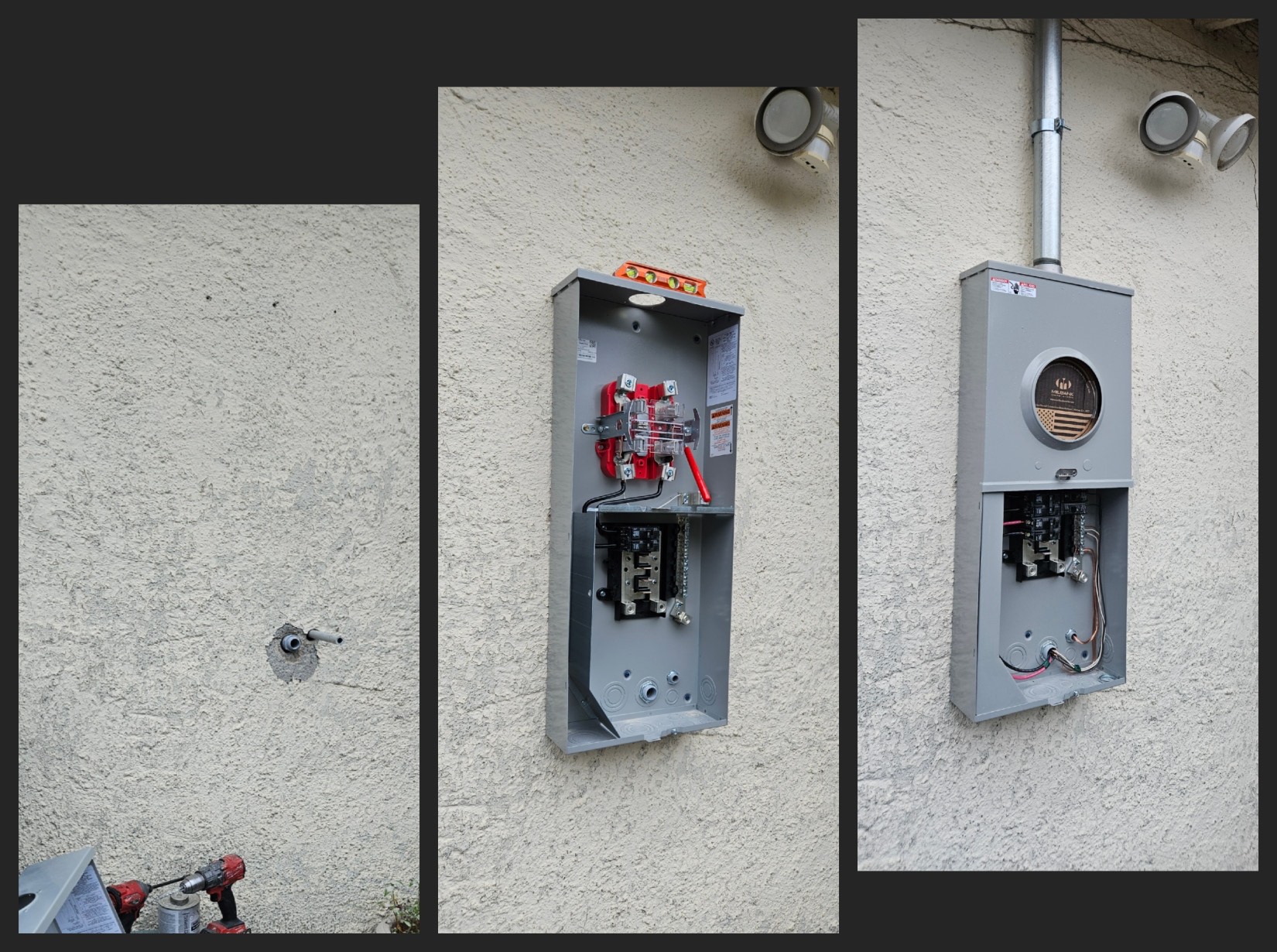
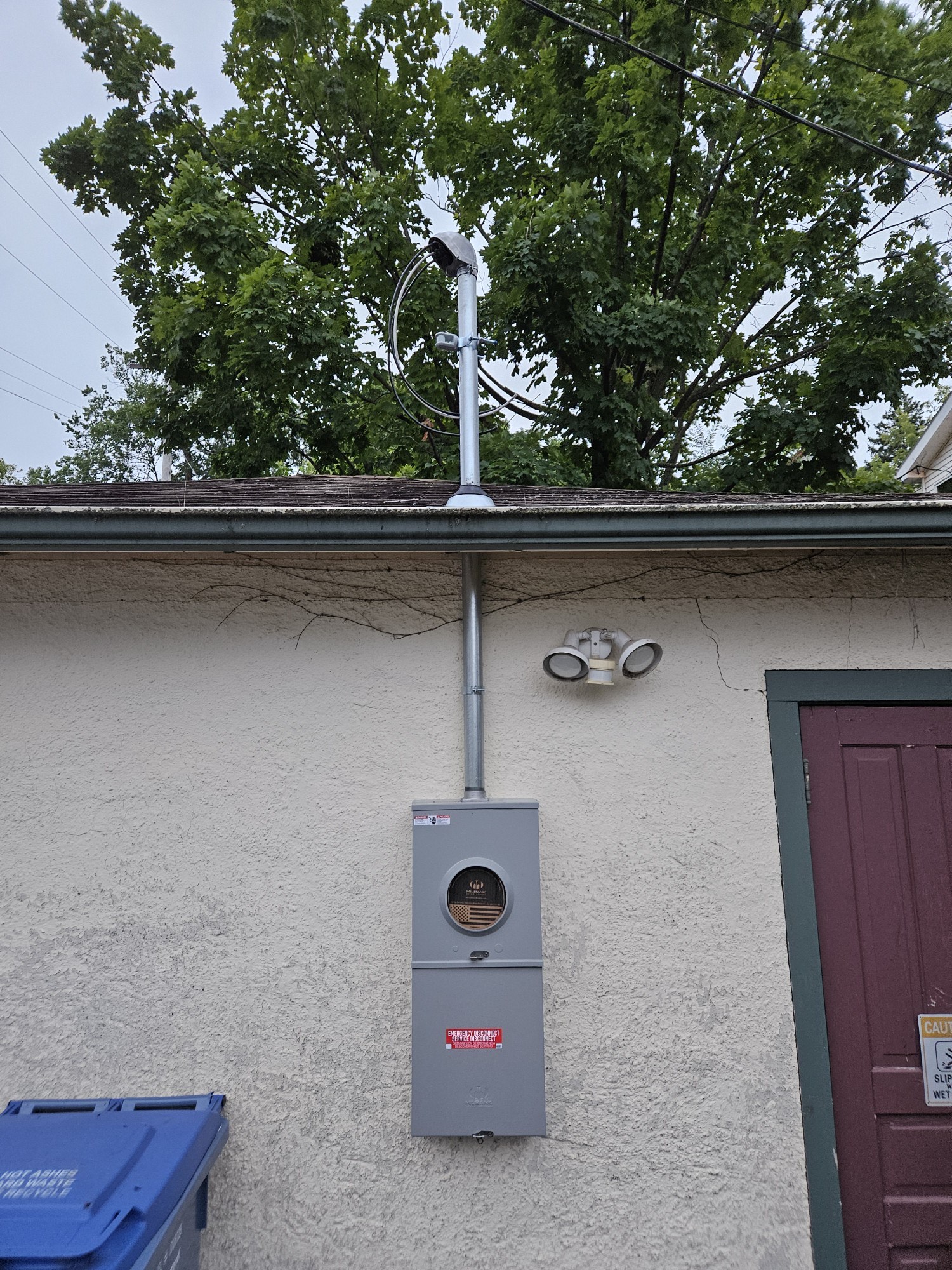
You are not alone if you are wondering whether an electrical panel upgrade requires tearing open walls and rewiring the whole house. The short answer is often no. An electrical panel upgrade can be completed without full rewiring when the existing branch circuits are safe, properly grounded, and meet code. In this guide, our Twin Cities team explains how to evaluate your situation, what the upgrade involves, and when rewiring becomes the smart move. We also outline timelines, permits, and budget ranges so you can plan with confidence.
The Short Answer: Yes, Often You Can Keep Your Existing Wiring
In many homes, an electrical panel upgrade can be done without rewiring the whole house. The key is the condition and compatibility of your existing branch circuits. If the wires are correctly sized, properly grounded, in good physical condition, and pass inspection, your electrician can typically move those circuits into a new, safer, higher‑capacity panel. That lets you gain capacity for future projects, reduce nuisance trips, and improve safety without the cost of opening walls.
Rewiring becomes necessary when there are issues like obsolete wiring types, damaged insulation, or missing grounding. But do not assume the worst. A licensed electrician can test, document, and label each circuit, then upgrade your panel while preserving sound wiring. You end up with a clean, clearly labeled panel that is ready for new loads and better protection.
“We offer all the electrical panel services your home could need. From electrical panel installations to repairs, you can trust us to take care of it.”
When You Can Upgrade the Panel Without Rewiring
You can usually keep existing branch circuits in place when the following are true:
- Wiring type and condition are acceptable
- Copper NM‑B or THHN in conduit, or other code‑compliant types in good condition.
- No widespread brittle insulation, overheating discoloration, or rodent damage.
- Proper grounding and bonding are present
- Grounded receptacles where required and intact equipment grounding conductors.
- Service bonding and grounding electrodes meet current code after the upgrade.
- Circuit sizing and overcurrent protection are correct
- Breakers match conductor gauge and device ratings.
- Multi‑wire branch circuits are correctly tied and neutrals are not overloaded.
- The load calculation checks out
- Whole‑home load calculation supports your desired main size, such as 200 amps.
- Anticipated new loads like EV chargers or hot tubs are planned with dedicated circuits.
- The installation can be permitted and inspected
- Panel change with existing circuits is accepted by your local AHJ once tested and labeled.
Why this matters for cost and timeline: Preserving wiring avoids opening finished walls, which reduces labor and keeps most upgrades to one or two days. It also minimizes downtime and cleanup, which homeowners appreciate.
When Rewiring Is Required or Recommended
Sometimes a panel-only upgrade is not enough. Rewiring certain circuits or whole areas becomes the safer, more reliable choice in these scenarios:
- Obsolete or unsafe wiring
- Knob‑and‑tube, cloth‑insulated rubber conductors, or aluminum branch circuits often warrant replacement.
- Ungrounded two‑prong circuits that cannot be properly grounded through the system.
- Deterioration and damage
- Brittle, heat‑damaged insulation, corroded terminations, or signs of arcing.
- Water intrusion in old panels or conduits that points to broader issues.
- Undersized or misprotected circuits
- 14‑gauge wire on a 20‑amp breaker, or mixed wire gauges on the same run.
- Shared neutrals that are not properly tied or that show overheating.
- Code‑driven safety upgrades
- Adding GFCI or AFCI protection across more circuits may be required during a panel change.
- Bathrooms, kitchens, laundry, garages, exterior, and sleeping areas often need upgraded protection.
- Renovations and new loads
- Kitchen remodels, basement finishes, or heat pump additions often need new dedicated circuits.
- EV chargers typically require a 240‑volt, high‑amp dedicated breaker and wiring.
You do not need to guess which bucket you fall into. Our process includes testing, labeling, and a clear explanation of what can stay, what should change now, and what can be planned for a future phase. That lets you prioritize safety and budget with no surprises.
What a Panel Upgrade Involves Step by Step
Homeowners sometimes picture a messy, days‑long project. In reality, a well‑planned panel upgrade is a clean, controlled process. Here is the typical flow:
- Assessment and load calculation
- We verify service size, document existing circuits, and run a whole‑home load calculation.
- We identify circuits to preserve and any that merit rewiring or new protection.
- Permitting and utility coordination
- We pull permits and coordinate with your utility for meter pulls and reconnects when required.
- “After a thorough evaluation, you’ll receive a detailed quote outlining all aspects of the project. There are no hidden charges.” That is our Straightforward Pricing promise.
- Safety preparations and shutdown
- We protect floors, set up safe work areas, and schedule a planned outage window.
- Panel replacement or service upgrade
- Replace the interior panel, main breaker, and bus, or perform a service upgrade to increase capacity.
- Repair or replace service masts and meter equipment as needed to meet code.
- Circuit transfer, labeling, and protection
- Move existing circuits, add AFCI and GFCI protection where required, and label every breaker.
- Install whole‑home surge protection at the panel upon request.
- Grounding and bonding verification
- Confirm grounding electrode system, water line bonding, and gas bonding are correct.
- Inspection and power restoration
- Pass the city inspection and restore power with a neat, organized, clearly labeled panel.
Timeline and cost facts you can plan around:
- “Panel Replacement — Replace existing panel (up to 200 amps) including labor and materials. $800–$4,800 — 4–8 hours.”
- “Service Upgrade (100 to 200 Amp) — Increase electrical capacity; includes permits and utility coordination. $2,600–$8,500 — 1–2 days.”
- “Service Replacement — Replace main service lines and components from utility to panel. $2,200–$5,500 — 1–2 days.”
Every home is unique. We explain where your project falls on these ranges before work starts, then stick to the number.
Planning for EVs, Hot Tubs, and Future Remodels
Even if your current wiring can stay, it is smart to future‑proof now. A panel upgrade is the ideal time to plan for:
- EV charging
- “Our EV charger installation services handle preparatory electrical panel upgrades, electric vehicle charger installation, and helpful tips that will promote better electrical efficiency with your unit.”
- We add dedicated 240‑volt circuits sized to your charger, often with load management.
- Heat pumps and electrification
- If you are moving from gas to electric appliances, plan for additional 240‑volt circuits.
- Hot tubs and saunas
- Properly sized GFCI spa panels and exterior wiring keep you safe and code‑compliant.
- Kitchens and finished basements
- Remodel‑ready circuit plans let you add outlets, lighting, and dedicated circuits later with minimal disruption.
- Surge protection and smart home
- Whole‑home surge protection at the panel protects sensitive devices and is easy to add during an upgrade.
This planning keeps you from outgrowing a new panel within a year. You get capacity today and a roadmap for tomorrow.
Safety, Permits, and Local Know‑How Matter in the Twin Cities
Panel and service work sits at the intersection of homeowner safety and public utility rules. That is why permits, inspections, and utility coordination are part of doing it right in the Twin Cities. We handle the paperwork, schedule the meter pulls, and meet the inspector onsite so you do not have to.
Local experience pays off. Homes in Minneapolis, Saint Paul, and first‑ring suburbs often have a mix of older wiring methods, water‑service bonding quirks, and tight service spaces. Our team solves these daily. One of our customers in St. Louis Park even noted the city inspector said everything was up to code after their mast and panel upgrade.
Two facts homeowners appreciate:
- We are LICENSED | BONDED | INSURED. Minnesota Contractor License #: EA006333.
- We practice Straightforward Pricing with detailed quotes and no hidden fees.
If you need emergency help, our 24/7 availability means flickering lights, burning odors, or repeatedly tripping breakers get immediate attention. “What’s Included in Breaker and Fuse Services? ... Inspection and Diagnosis ... Repair and Replacement ... Upgrades ... Load Testing ... Safety Check ... Troubleshooting ... Emergency Services.”
How to Decide: Simple Framework for Homeowners
Use this checklist to make a confident decision without overthinking it:
- Do you need more capacity or just a safer, cleaner panel?
- If your breakers trip when the dryer, range, and AC run together, you may need a 200‑amp service.
- Are your existing circuits mostly modern copper and in good shape?
- If yes, you can likely keep them and still upgrade the panel.
- Are you planning EV charging, a hot tub, or a remodel in the next 12 months?
- Add the dedicated circuits now or size the panel to be EV‑ and remodel‑ready.
- Do you have ungrounded, cloth, or aluminum wiring?
- Budget for targeted rewiring in key areas while upgrading the panel.
- Do you want added protection without tearing into walls?
- Add AFCI and GFCI where required and install whole‑home surge protection in the panel.
Answering these five questions during our in‑home assessment gives you a clear, written plan and price the same day.
Transparent Pricing, Financing, and What Affects Your Final Cost
Your final number depends on a few structural details:
- Service size and utility work
- Moving from 100 to 200 amps requires meter and mast updates in many homes.
- Location and accessibility of the panel
- Tight closets, finished walls, or long conduit runs can add labor.
- Grounding and bonding corrections
- Upgrading grounding electrodes and water or gas bonds is common and important.
- Required safety upgrades
- AFCI and GFCI devices increase safety and may be required during a panel change.
- Optional add‑ons
- Whole‑home surge protection, generator interlocks, and smart monitoring.
We keep it simple with Straightforward Pricing. You get a line‑by‑line scope and a firm price before work starts, not a vague estimate that changes mid‑job. Many homeowners also leverage our GreenSky financing to spread costs over time and tackle panel plus EV‑ready work in one go.
Signs You Should Call Now
Some symptoms mean you should not wait:
- Breakers that trip frequently or will not reset
- Hot or buzzing panel, burning smells, or scorch marks
- Flickering lights when large appliances start
- Rust, water intrusion, or corrosion inside the panel
- Older fuse box with limited capacity or questionable add‑ons
If you see any of these, schedule a safety check. It might be a simple breaker issue, or it might be time for a panel upgrade. Either way, we will give you a clear, safe path forward.
Special Offers for Panel and Service Upgrades
- Special Offer: Save on Panel Replacement. Replace an existing panel up to 200 amps. $800–$4,800, typically 4–8 hours. Use Straightforward Pricing before 08/05/2026.
- Special Offer: Save on Service Replacement. Replace main service lines and components from utility to panel. $2,200–$5,500, typically 1–2 days. Book by 08/05/2026.
Call (952) 500-8732 or schedule at https://damyanselectric.com/. Ask about GreenSky financing for panel and EV‑ready upgrades.
What Homeowners Are Saying
"I cant recommend Matt Damyan and Damyans Electric highly enough. Matt recently completed a major upgrade for us, moving our home to a 200-amp, 40-circuit panel... Everything was done carefully, neatly, and up to current code. The panel is well-organized, clearly labeled, and built with room for future needs."
–Matt D., Panel Upgrade
"The electrical inspector for St. Louis Park was here this morning to inspect our new electrical mast outside and circuit breaker panel in the basement. He told me that everything looks great and is all up to code now... They were just super great to work with, so nice, prompt, and reliable."
–Homeowner, St. Louis Park
Frequently Asked Questions
Can I upgrade to 200 amps without rewiring the whole house?
Often yes. If your branch circuits are safe, grounded, and correctly sized, we can move them to a new 200‑amp panel. We verify with testing, permits, and inspection.
How long does a typical panel upgrade take?
Most panel replacements take 4 to 8 hours. A full service upgrade with utility coordination usually takes 1 to 2 days, plus inspection scheduling.
Will I need AFCI or GFCI breakers after the upgrade?
Likely. Modern code requires AFCI and GFCI protection in many areas. We review each circuit and add protection where required for safety and compliance.
Do I have to upgrade my service mast or meter, too?
Not always. If you are increasing capacity or correcting code issues, mast and meter updates may be needed. We handle utility coordination and inspection.
What does it cost to upgrade a panel in the Twin Cities?
Typical ranges: $800–$4,800 for panel replacement and $2,600–$8,500 for 100‑to‑200 amp service upgrades. Your detailed quote explains your exact price.
Conclusion
Yes, you can often complete an electrical panel upgrade without rewiring, as long as your existing circuits are safe and code‑compliant. If you live in Minneapolis, Saint Paul, Edina, Minnetonka, or nearby, we will assess, permit, and deliver a clean, labeled, EV‑ready panel with Straightforward Pricing.
Call to Action
Ready for a safer, higher‑capacity panel without tearing into walls? Call Damyans Electric Inc. at (952) 500-8732 or schedule at https://damyanselectric.com/. Ask about our current panel and service upgrade offers through 08/05/2026 and GreenSky financing.
Schedule Your Upgrade Today
- Call now: (952) 500-8732
- Book online: https://damyanselectric.com/
- Mention our Straightforward Pricing on panel replacement and service replacement offers valid through 08/05/2026.
We proudly serve Minneapolis, Saint Paul, Eden Prairie, Minnetonka, Edina, Plymouth, Maple Grove, and surrounding Twin Cities communities.
About Damyans Electric Inc.
Damyans Electric Inc. is a licensed, bonded, and insured Twin Cities electrical contractor focused on safety and code‑compliant workmanship. Contractor License #: EA006333. Our certified electricians deliver clean, organized panel work, utility coordination, and clear communication. We back every job with straightforward pricing and financing options through GreenSky. From EV‑ready panel upgrades to whole‑home surge protection, we combine local code expertise with friendly service and meticulous cleanup on every visit.
Sources8
Source links open in a new tab.
- Happy comment by Dunya Lucasgoogle.com (opens in a new tab)
- Happy comment by Geoffrey Serdargoogle.com (opens in a new tab)
- Happy comment by Trisha Sonnesyngoogle.com (opens in a new tab)
- Happy comment by Nathan Luscrigoogle.com (opens in a new tab)
- Pricing for Electrical Services in Hopkins and the Twin Cities MN – Damyans Electric Inc.damyanselectric.com (opens in a new tab)
- Electrical Panel Services Hopkins MN – Damyans Electric Inc.damyanselectric.com (opens in a new tab)
- Electrical Services Hopkins MN – Damyans Electric Inc.damyanselectric.com (opens in a new tab)
- Electrician Edina MN – Damyans Electric Inc.damyanselectric.com (opens in a new tab)